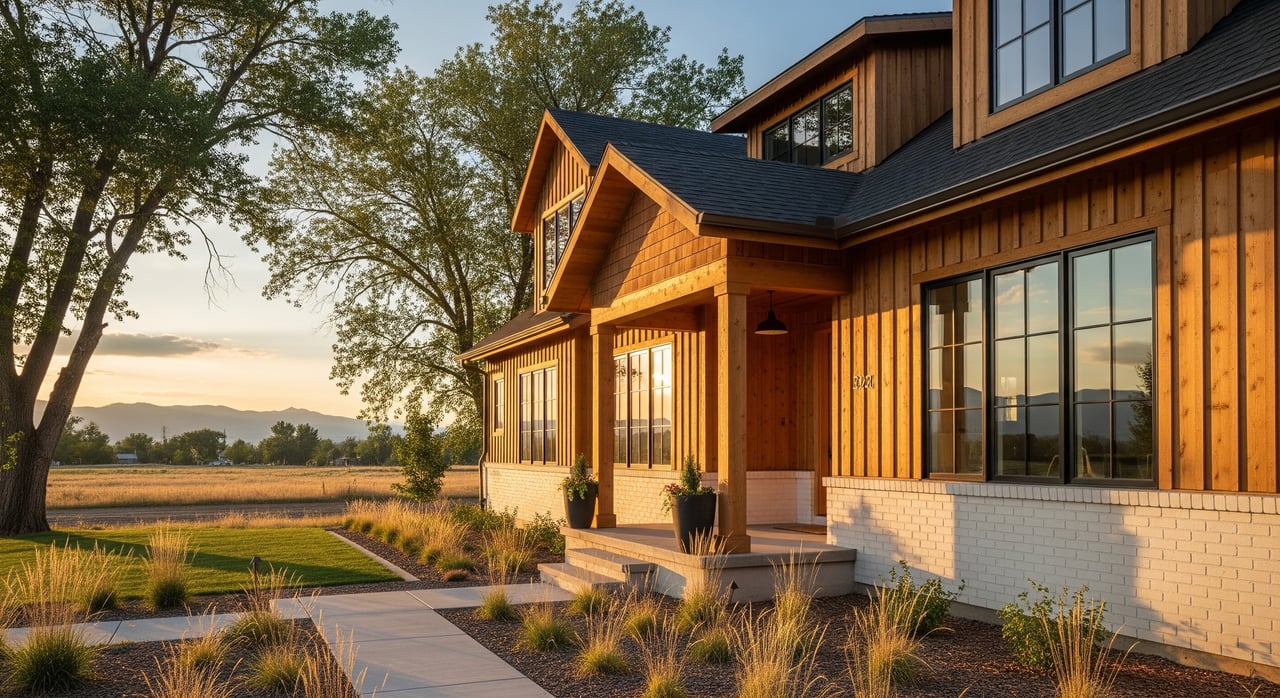
Greeley First-Time Homebuyer Guide in Spanish
Buying your first home in Greeley should feel exciting, not overwhelming. You might be sorting through loan options, learning new terms in English and Spanish, and trying to time your move. You deserve clear steps, trusted resources, and a guide who understands Northern Colorado. In this post, you’ll learn how the process works in Colorado, what to expect in Greeley, where to find assistance, and a full Spanish section with checklists and a glossary. Let’s dive in.
Greeley sits in Weld County and is part of Northern Colorado. Many buyers are drawn to its relative affordability compared with larger Front Range cities and its access to I‑25 and US‑85 for regional commutes. Market conditions change quickly, so focus on current inventory, pricing, and days on market.
For the latest local trends, review the Northern Colorado market snapshots and monthly stats from the MLS. You can check current data through the REColorado market stats page and then talk with your lender and agent about timing and pricing.
Weld County has steady new‑home activity. New builds can offer builder warranties and incentives, but they may take longer to complete and often come with HOA rules. Resale homes may close sooner and can sit in established neighborhoods. Your choice comes down to timeline, budget, and location.
If you work across Northern Colorado, note access to I‑25, US‑85, and connections to Fort Collins, Loveland, and Denver. School district boundaries and calendars can change. Review official district information directly and confirm program details before you buy.
You have several common mortgage paths as a first‑time buyer. Conventional loans can start at 3 percent down for certain borrowers with private mortgage insurance. FHA loans typically require 3.5 percent down and have flexible credit guidelines. VA loans offer zero down for eligible veterans and service members. USDA loans can be zero down in qualifying rural areas, which may include some parts of Weld County outside city limits.
State assistance may help with down payment and closing costs. The Colorado Housing and Finance Authority (CHFA) runs programs for first‑time buyers; eligibility and benefits change, so review current requirements and talk with a qualified lender. If you prefer bilingual guidance, look for Spanish‑speaking lenders or mortgage brokers. You can also find free or low‑cost counseling through HUD‑approved housing counselors.
Some lenders work with ITIN borrowers or mixed‑status households. Product availability is lender‑specific. A bilingual mortgage professional and a HUD‑approved counselor can help you understand options and documentation.
As you plan your budget, many buyers aim for a monthly housing payment around 28 to 31 percent of gross income, with total debt payments under 36 to 43 percent. You will also want savings for closing costs, which commonly range from 2 to 5 percent of the purchase price, plus moving and reserve funds.
Pre‑approval shows sellers you are serious and confirms your price range. Your lender verifies income, assets, credit, and employment. Bring recent pay stubs, W‑2s or tax returns, bank statements, ID, and details for any debts or support obligations.
Your search may take weeks or months depending on inventory and your wish list. Consider commute routes, HOA rules, and monthly costs like taxes and insurance. If you are drawn to a new‑build community, get your agent involved before your first model‑home visit.
In Colorado, standard real estate forms set deadlines and contingency windows. Earnest money is negotiable and is typically deposited with a title company shortly after acceptance. Your agent will help you choose deadlines and terms that match your lender’s timing.
Order a general home inspection and any recommended specialty checks. In Colorado, many buyers add a radon test. Learn more about health guidance from the EPA’s radon resources. If the home is older or has trees near sewer lines, consider a sewer scope. Review the seller’s property disclosure, title commitment, and any HOA documents.
Your lender orders the appraisal to confirm the home’s value for the loan. If the appraisal comes in low, your agent will walk you through options, which can include renegotiation.
The lender finalizes your loan approval. You may be asked for updated statements or explanations. Avoid big purchases or new credit during this period.
Title companies in Colorado typically host closings and issue title insurance policies. You will receive a Closing Disclosure at least three business days before signing. After signing and recording, you receive the keys per the contract timeline.
Expect to bring your down payment plus closing costs, which commonly include loan origination, appraisal, title insurance, escrow fees, recording fees, and prepaids like insurance and property taxes. In Colorado, who pays what is negotiable. Your lender will provide a Loan Estimate early and a Closing Disclosure before you sign.
If you want to review property tax practices or verify recorded ownership details, use county resources. Weld County maintains public information, which you can access through the Weld County website. For city programs and planning updates, visit the City of Greeley.
Comprar tu primera casa en Greeley no tiene que ser complicado. Con una preaprobación clara, una oferta bien preparada y una lista de pendientes organizada, puedes avanzar con confianza. Aquí tienes los pasos, la ayuda financiera disponible y listas prácticas para cada etapa.
Para orientación gratuita o de bajo costo, busca consejeros de vivienda aprobados por HUD. Algunos prestamistas trabajan con ITIN; la disponibilidad varía por institución.
Preaprobación: 1 a 7 días. Confirma tu rango de precio y fortalece tu oferta.
Búsqueda y visitas: Semanas o meses. Considera rutas de trabajo, reglas de HOA y costos mensuales.
Oferta y depósito de garantía: El contrato estándar fija plazos y contingencias. El depósito se guarda con la compañía de títulos.
Inspecciones y diligencia: 7 a 15 días. Incluye inspección general y prueba de radón. Pide revisión de alcantarillado si la casa es antigua.
Tasación: 1 a 2 semanas. Verifica el valor para el préstamo.
Aprobación final: 2 a 4 semanas. Evita nuevas deudas o compras grandes.
Cierre y llaves: Firma con la compañía de títulos. Recibirás un estado de cierre antes de firmar.
Buying your first home is a big step. With clear coaching and bilingual support, you can move at your pace and make confident decisions. If you want help comparing loan options, planning your timeline, or touring homes in and around Greeley, connect with a local advisor who knows Northern Colorado.
If you are ready to start, reach out to Rachel Vesta for a friendly, step‑by‑step plan in English or Spanish.
September 17, 2026
September 10, 2026
September 3, 2026
August 27, 2026
August 20, 2026

August 13, 2026
August 6, 2026
August 6, 2026
July 23, 2026
My goal is to consistently deliver an outstanding real estate experience to each client, every time.