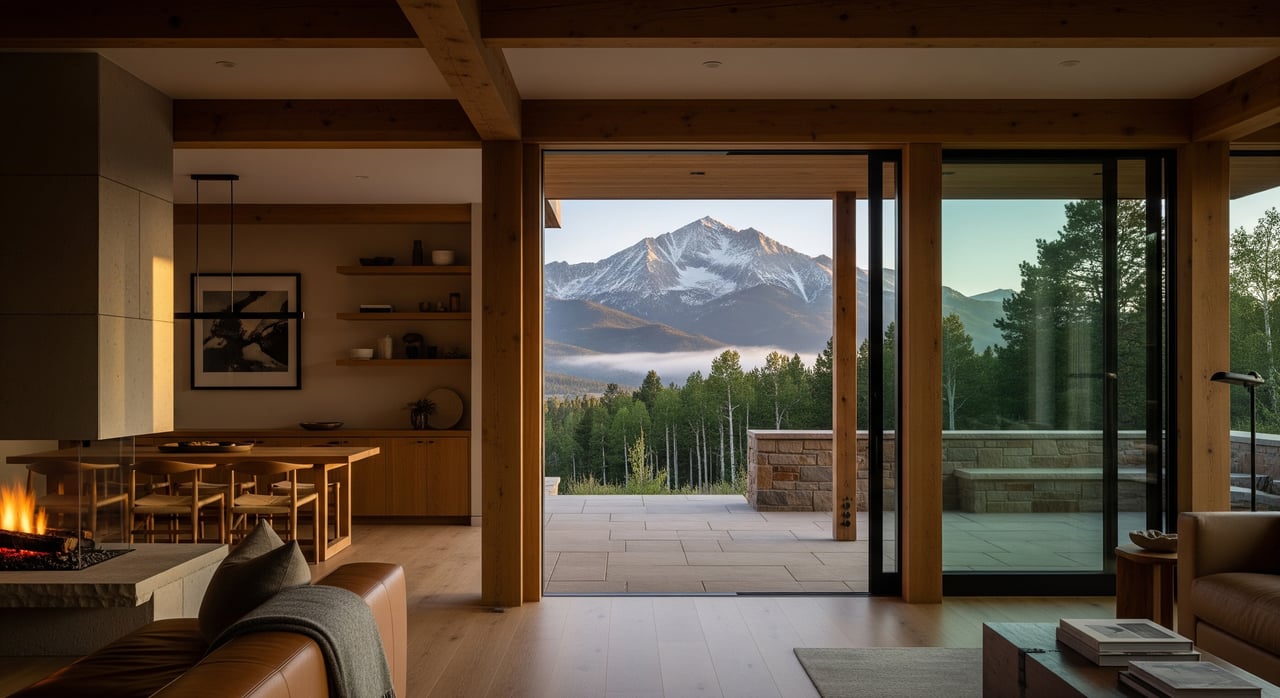
Living in Estes Park: A Real-Life Local Guide
The postcards get it half right: Estes Park is stunning. The other half is how life actually works at 7,522 feet, where weather, wildlife, and tourism shape your routine. If you’re weighing a year-round move or a second home, you want more than a vacation brochure. This guide gives you a grounded look at daily life, seasons, costs, and smart buying tips so you can decide with confidence. Let’s dive in.
At about 7,522 feet above sea level, Estes Park sits at the eastern entrances of Rocky Mountain National Park. High-altitude living affects everything from weather to how quickly you adjust during your first weeks. Plan for cooler summers, colder nights, and building considerations that handle snow and wind.
You’ll find a small mountain town with an economy tied to tourism, park services, small retail, arts, and remote workers. Seasonal visitors and second homes are part of the fabric here, which influences housing availability and business hours. Year-round residents value the outdoors, community events, and quiet winter months.
For bigger-city amenities or jobs, you’re roughly 30 miles from Loveland, about 40 miles from Fort Collins, and 60 to 75 miles from the Denver metro depending on route. Travel times vary widely with weather, road work, and peak-season traffic.
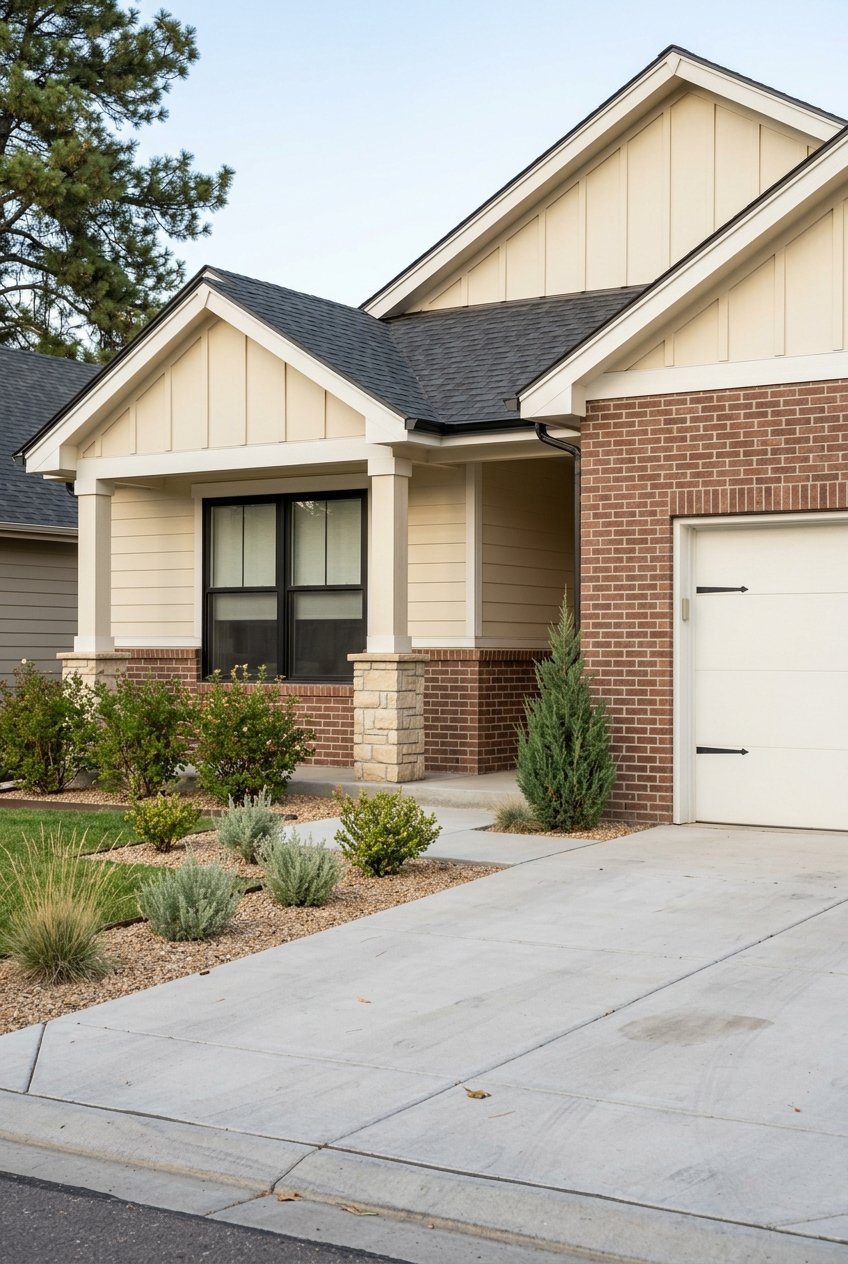
The local mix includes single-family homes, cabins, condos, and resort-style properties. Because many homes are second residences or short-term rentals, year-round inventory can feel tight. Mountain homes need winterization, freeze-protected plumbing, good insulation, and attention to roof snow loads and fire mitigation.
Public schools are served by the Estes Park RE-1 district, with local K–12 options in town. Families sometimes look to nearby towns or online programs for specialized coursework or extracurriculars. Confirm transportation options, current programs, and enrollment directly with the district.
You have local primary and emergency care in town, supported by clinics and community or critical-access facilities. For specialized or inpatient services, most residents travel to Fort Collins, Loveland, or Denver. Weather and geography can affect response and transport times, and air or ambulance service may be used when needed.
You’ll find one or more full-service supermarkets plus independent markets and specialty shops in town. For big-box retailers or broader selection, residents often make supply runs to Loveland or Fort Collins. Expect some businesses to scale back hours in winter, so plan ahead for specialty items.
In-town properties typically have municipal water and sewer, while outlying homes may use wells and septic systems. Heating can be natural gas where available, or propane, electric, and wood in some areas. Broadband has improved but still varies by address and elevation, and cellular coverage can be spotty in certain neighborhoods.
Most people rely on personal vehicles. Some commute down the hill to Loveland or Fort Collins, with winter conditions adding time. Local transit is limited, and while seasonal shuttles operate for park visitors, they are not a full substitute for everyday commuting needs.
Peak season runs late spring through early fall, with summer as the busiest period. Fall color brings another surge, while winter is quieter but still draws visitors for snowshoeing, scenic drives, and events. The national park may use timed-entry reservations, shuttle systems, or temporary closures during peak demand.
Expect crowded downtown streets and full trailhead lots during summer and fall weekends. Build extra time into drives, shop early or later in the day, and plan errands for midweek when possible. Residents often keep flexible schedules to avoid peak traffic.
Festivals, concerts, and seasonal events add energy and occasional congestion. Winter tends to feature smaller gatherings and a slower pace. Check local calendars for annual traditions, and be ready for changing business hours between summer and winter.
Large day-night temperature swings are normal. Snow can arrive in fall and linger into spring, with sudden storms possible. Prepare for wildfire awareness in late summer and fall, and keep an eye on winter storm forecasts.
Roads are maintained but can be slick or snow-packed after storms. Many residents use AWD or 4WD with dedicated winter tires and carry an emergency kit. Driveways and secondary roads may be slow to clear, so plan for snow removal and backup heating.
Elk, deer, bears, and mountain lions are part of daily life, especially near open space. Follow local guidance to secure trash, use bear-resistant containers where required, and manage food and pet practices. Landscaping and fencing choices can help reduce wildlife conflicts.
Police, county sheriff, fire protection, and volunteer search and rescue serve the area. Mountain rescues can take time due to terrain and weather, and preparedness is key. When heading into the backcountry, tell someone your plan and carry proper gear.
Demand comes from proximity to the national park, scenery, and year-round recreation. Limited developable land and a high share of non-primary residences can constrain supply and influence pricing. Seasonal demand also affects resale and rental prospects.
Short-term rental income can be attractive, but regulations change. The town and county require permits or registration and apply local lodging taxes. Always review current ordinances and verify eligibility before relying on STR income in your plans.
Homeowners insurance may be higher than in lower-elevation areas due to wildfire risk, snow loads, and access considerations. Some properties may warrant additional coverage for flood or landslide exposure. Property taxes are set by the county, and visitor spending is subject to sales and lodging taxes.
If you love four true seasons, high-altitude adventure, and a tight-knit mountain community, Estes Park can feel like home. You’ll trade easy big-box shopping for trail access and starlit skies, and you’ll learn to time errands around weather and visitors. With the right prep and a property that matches your lifestyle, living here is rewarding well beyond the vacation brochure.
Ready to talk specifics about neighborhoods, access, and property types that fit your goals? Reach out to Rachel Vesta for local guidance, clear next steps, and a plan tailored to you.

July 23, 2026

July 16, 2026

July 9, 2026
July 2, 2026
June 25, 2026

June 18, 2026
June 4, 2026
May 28, 2026

May 21, 2026
My goal is to consistently deliver an outstanding real estate experience to each client, every time.