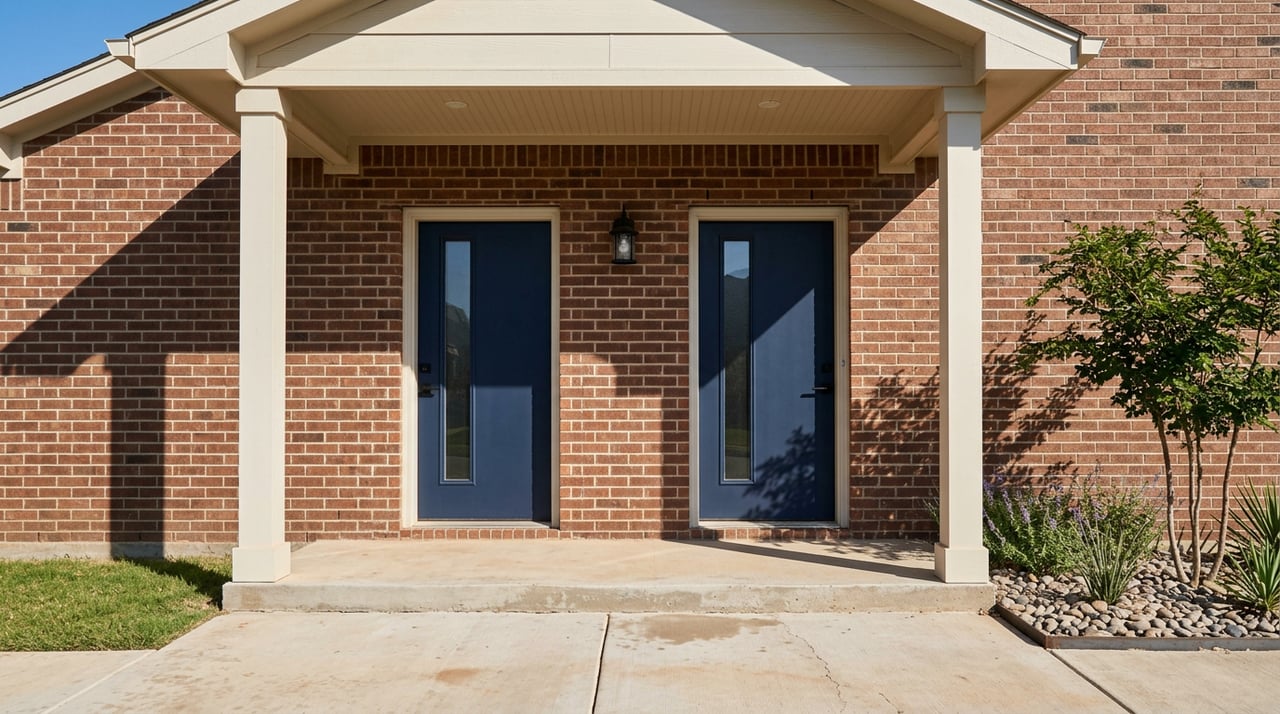
Greeley Investment Property Guide for Local Rental Homes
Thinking about buying a rental in Greeley but unsure if the numbers work? You are not alone. With home prices around the mid $400s and average rents in the mid $1,400s, cash flow can feel tight unless you buy smart and manage well. In this guide, you will get a clear, local playbook for screening deals, understanding demand, and avoiding avoidable surprises so you can move forward with confidence. Let’s dive in.
Greeley’s typical home value is about $414,600 based on recent public estimates, and the city’s median sale price is close to $415,000. Average listed rents are around $1,450 to $1,465 per month, while the Census five‑year median gross rent shows $1,388 per month as a stable baseline. A simple price‑to‑rent calculation using medians comes out near 23.6. That level signals buying is relatively expensive versus renting for owner‑occupants, and it tells investors to underwrite carefully.
Vacancy snapshots show city rental vacancy around 7 to 8 percent, though it varies by neighborhood and season. Student‑adjacent areas can trend more seasonal, while workforce housing can be steadier through the year. Property taxes in the Greeley area typically run an effective rate near 0.47 percent, but the actual bill depends on the parcel’s special districts and mill levies.
What this means for you: expect thinner margin deals if you buy at the median price and achieve only average rent. Stronger results usually come from buying below median, improving a unit to justify above‑median rent, or targeting a property type and location with durable demand and manageable vacancy.
Greeley’s demand is broad and durable. The city’s estimated 2024 population is about 114,363, with an owner‑occupied rate near 60.9 percent, which implies a renter share around 39.1 percent. The community also has a relatively young profile and a large Hispanic/Latinx population, which shapes household size and housing preferences in neutral, practical ways.
Higher education anchors one demand stream. The University of Northern Colorado reported about 8,561 students in fall 2024. That supports demand for shared houses and 2 to 4 bedroom rentals near campus with lease terms aligned to the academic calendar. Aims Community College also serves the region, adding steady student and staff demand over time.
Major employers are diverse. Greeley’s job base includes food processing and manufacturing, healthcare systems, the school district and local government, insurance and administrative centers, and construction and logistics. This mix supports consistent workforce housing demand from single adults, shift workers, and young families who value access to job centers and daily‑needs retail.
What to do with this: three‑bedroom single‑family homes and duplexes often hit the widest audience. Small multifamily can perform if professionally managed and matched to neighborhood demand. Always build your rent comps and vacancy assumptions at the neighborhood or ZIP level rather than relying on citywide medians alone.
The price‑to‑rent ratio is a fast first cut: market price divided by annual rent. In Greeley, medians put PTR around 23.6. Ratios above roughly 21 tend to favor renting over buying for residents. For investors, a high PTR means you should demand a closer look at net operating income and financing terms before you proceed. For a quick primer and interpretation basics, see this overview of how investors use price‑to‑rent.
Cap rate is your property’s unlevered yield: Net Operating Income divided by purchase price. To calculate, estimate effective gross income after vacancy, then subtract owner‑paid expenses like taxes, insurance, maintenance, management, and utilities. Cap rate helps you compare one property to another and judge whether the deal can cover debt service at your assumed interest rate. A concise explainer on cap rate and other essential numbers is available here.
Gross Rent Multiplier is purchase price divided by annual gross rent. The 1 percent rule is a quick heuristic that says a monthly rent near 1 percent of the purchase price is a healthy early signal. Many Greeley properties at or above the median price will not pass the 1 percent screen, so expect to lean on value‑add, strategic renovations, or buying below median to get to your goals. Treat the 1 percent rule as a flag, not a decision.
On these inputs, buying at median and renting at median suggests tight cash flow. Your opportunity is to find properties where neighborhood rents, bed/bath mix, or condition support above‑median income, or where your basis is below median price. Then confirm the picture with a proper cap rate calculation.
Before you write an offer, confirm the municipal and county items that can make or break your plan:
You can invest in Greeley with confidence if you ground each decision in local data and clear process. Focus on submarkets where rent and unit mix align with deep tenant pools, and make conservative assumptions on vacancy and expenses. Confirm city rules, verify taxes and utilities, and use a clean, compliant lease that fits Colorado law.
If you want a second set of eyes on comps, zoning fit, or value‑add strategy, we are here to help. Northern Colorado is our home base, and we guide investors at every price point with detail, empathy, and responsive service. To talk through your plan, book a quick consult with Rachel Vesta. Se habla español.
August 20, 2026
August 13, 2026
August 6, 2026
August 6, 2026
July 23, 2026
July 16, 2026
July 9, 2026
July 2, 2026
June 25, 2026
My goal is to consistently deliver an outstanding real estate experience to each client, every time.