Dreaming of room to roam, space for your horses, and Colorado sunsets that stretch for miles? If you are considering acreage or a horse property in the Berthoud area, you are not alone. Buyers love the lifestyle, but the details are different from an in‑town home. In this guide, you will learn what “acreage” really means here, how water rights work, what infrastructure to look for, and the key checks to complete before you write an offer. Let’s dive in.
What counts as “acreage” here
Acreage and horse properties around Berthoud usually sit outside town limits and include a mix of pasture, outbuildings, and room for equipment. Common features include fenced paddocks, a barn or lean‑to with stall space, hay storage, a shop, and ideally irrigation for pastures. Many buyers also look for a tack room, a caretaker or barn apartment, and an arena or managed turnout.
Zoning shapes what is possible. In Larimer County, rural residential districts set minimum lot sizes and permit pathways based on utility type. For example, RR‑1 can require 10 acres when a property relies on a private well and septic. RR‑2 minimums with well and septic are about 100,000 square feet, or roughly 2.3 acres. Always confirm a parcel’s zoning and standards in the county’s Land Use Code before you assume you can split land or add structures. You can review the district standards in the Larimer County Land Use Code. Check the zoning districts here.
Water drives value and feasibility
Water is the single biggest variable for rural property in Colorado. The state follows prior appropriation, which means surface water rights are separate legal interests that do not always transfer with the land. If you plan to irrigate pasture or produce hay, you need to understand exactly which rights, shares, or allotments convey. Learn the basics of Colorado water rights.
In the Berthoud area, irrigation often comes from a combination of native ditch shares and Colorado‑Big Thompson (C‑BT) allotments. C‑BT shares are widely used, are valuable, and transfers are administered by Northern Water, sometimes with board approval. If C‑BT allotments are part of the deal, confirm the seller’s documentation and the transfer path early. Northern Water publishes clear guidance for buyers and sellers. Review C‑BT transfer guidance.
Local ditch companies also matter. Handy Ditch and Dry Creek Lateral appear frequently in listings and support pasture irrigation and hay production for many properties around Berthoud. These shares can be held separately from the land, so treat them as a title item and verify with the ditch company when needed. Read about Handy Ditch’s local presence.
Private wells are common outside town. A new well or replacement requires a permit from the State Engineer. For any property with a well, confirm the permit status, well log, construction, and recent capacity data. If you expect irrigation from a well, you must verify the decreed use and priority. The state’s portal lets you search permits and logs by address or parcel. Use the DWR well permit and map tools.
Some parcels within or near town can connect to municipal water and wastewater, but plan for system investment or tap fees that vary by tap size. The Town of Berthoud posts fee worksheets that apply at permit or certificate of occupancy. See Berthoud’s current residential fee worksheet.
Quick water checklist before you offer
Rural infrastructure and rules to verify
Buying outside town means you take on systems that cities usually handle. A clear inspection and records review will help you budget and avoid surprises.
- Septic systems. Larimer County regulates onsite wastewater treatment systems. Ask for county permit records, then order a certified inspection during due diligence. Engineered or limited‑use systems come with special rules and potential replacement costs. Review Larimer County’s OWTS guidance.
- Barns and outbuildings. Accessory buildings must meet setbacks and permits under county zoning and building codes. Large or commercial equine operations often need additional site review or a special use. Check the Land Use Code district standards.
- Floodplain. The Little Thompson and Big Thompson watersheds shape local flood risk. Use FEMA’s map to see if a home sits in a floodway or flood fringe and request elevation certificates when applicable. Search FEMA’s Flood Map Service Center.
- Oil and gas. The Front Range has historic and current oil and gas activity. The state’s map viewer shows nearby wells and permits, including plugged sites. Ask title about any mineral reservations or leases. Open the state oil and gas map.
- Access and roads. Confirm whether a road is county maintained or private, and whether a recorded maintenance agreement exists. Verify all access easements and any bridge or gate agreements through county records and the title commitment.
Equine essentials and land care
A functional horse property balances safety, daily chores, and long‑term land health. When you tour, look for practical details along with the big features.
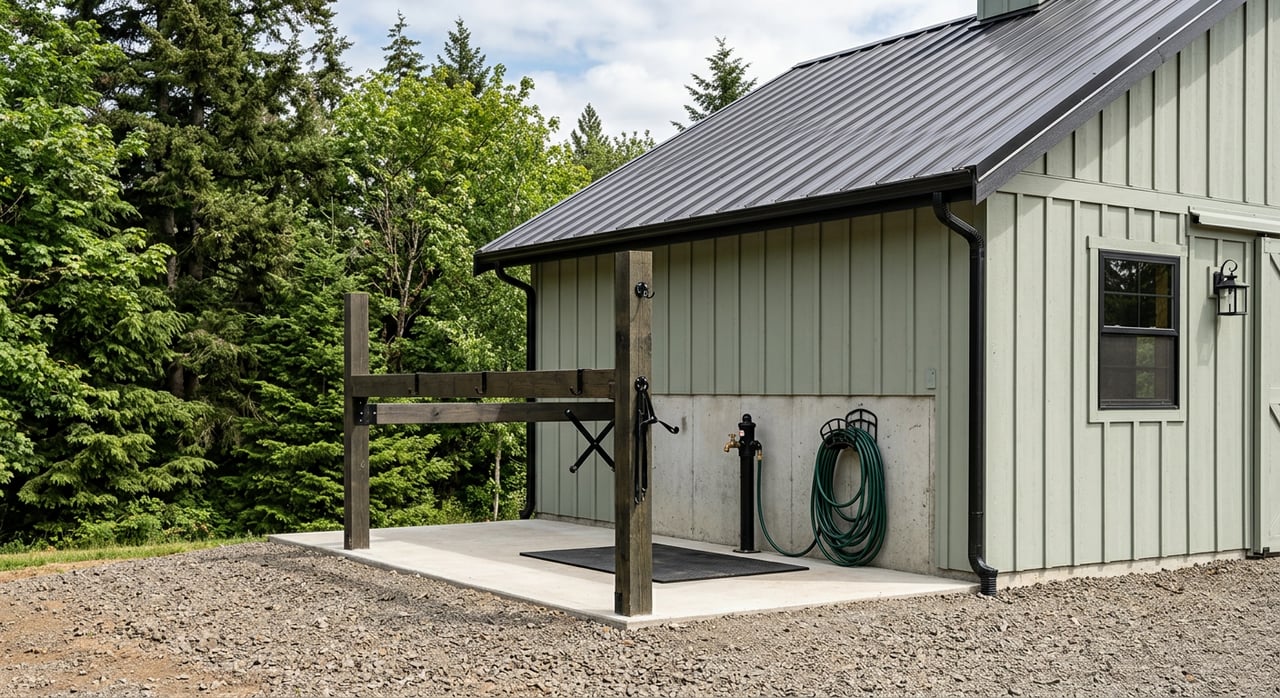
- Barn and arena design. Good stall layout, drainage, water access, and manure handling routes save time and reduce risk. Indoor arenas, premium footing, and wash racks add value and cost. Regional builders offer pole barn and prefab options, but confirm local engineering and permit standards before you price upgrades.
- Fencing and paddocks. Safe, visible fencing with well‑placed gates is key. Colorado resources from parks and wildlife and CSU Extension encourage wildlife‑friendly and horse‑safe designs. Walk fence lines for wear and plan a repair budget if you see sagging wires or broken posts.
- Pasture and manure. Front Range small‑acreage properties often need hay year‑round or nearly so, and manure management is essential for water quality and neighbor relations. CSU Extension has excellent small acreage guidance on rotational grazing, composting, and storage siting. Explore CSU’s small acreage resources.
- Operations and permits. Boarding horses for a fee or running a larger equine business can trigger different county review paths. If you plan to add stalls, an arena, or commercial activity, consult planning staff early to map the right permit process. Reference the Land Use Code.
Budget and market context
Prices vary widely based on acreage, location, and especially water and equine improvements. Around Berthoud, small hobby acreage of roughly 2 to 6 acres with basic horse setups often trades from the mid to high hundreds of thousands into the low millions. Larger properties from about 10 to 30 acres with multiple pastures, more stalls, and an arena often list from roughly the low‑to‑mid millions and up. Larger equestrian estates with professional facilities can move into higher price bands.
What moves a price the most:
- Water rights that reliably irrigate pasture, such as C‑BT allotments or native ditch shares. These rights are valuable and often decisive. See Northern Water’s overview for context.
- Quality and condition of equine infrastructure, including number and type of stalls, arena quality and footing, and the presence of a barn apartment or shop.
- Location relative to commuting corridors and service areas, plus whether a property is within town service boundaries for future connection options.
- Recorded covenants, HOA rules, or special district assessments that influence use and operating costs. Always request recorded documents with your title commitment.
Due diligence checklist for buyers
Use this step‑by‑step list to organize your offer strategy and inspection period.
- Confirm legal description and county. Pull recorded plats and covenants from the Clerk and Recorder. Look for livestock restrictions, water language, easements, and any road maintenance agreements.
- Verify water rights. Ask for copies of all ditch share certificates and C‑BT allotment documents. Contact the ditch company and Northern Water when needed. Start with Northern Water’s buyer page.
- Run state water lookups. Search the parcel in the DWR portal for well permits, well logs, decreed uses, and priority dates. Use the DWR tools.
- Septic and OWTS. Request county permit records and order a certified inspection. Budget for repairs or replacement if records are missing or capacity is limited. Review Larimer OWTS guidance.
- Flood and hazard screening. Check FEMA maps, then ask for elevation certificates if needed. Consider insurance and building limits in mapped zones. Search FEMA maps.
- Oil and gas and minerals. Use the state map to spot nearby wells or units. Ask title whether minerals were reserved and whether there are active leases. Open the ECMC map.
- Zoning and permitted uses. Confirm the parcel’s district, setbacks, allowed uses, and whether existing improvements are conforming. Ask about permit paths for planned additions. Check district standards.
- Utilities and tap fees. If connecting to town water or sewer, confirm availability and exact fee schedule with the Town of Berthoud. See the fee worksheet.
- Title and survey. Order a title commitment that covers easements, covenants, and water conveyance language. Consider an updated ALTA survey where access, fences, or setbacks are in question.
- Operating budget. Price out hay, bedding, vet and farrier, insurance, fence and arena upkeep, equipment fuel, and utilities. CSU Extension is a great starting point for pasture and manure planning. Visit CSU’s small acreage hub.
Local resources to start with
Timeline and prep tips
- Get pre‑approved and set a ceiling that leaves room for water, septic, and fence work. Rural ownership often comes with upfront catch‑up projects.
- Align your criteria. Separate your “must have” list, like irrigation water or a 6‑stall barn, from the “can add later” list, like a new arena or perimeter fencing.
- Build your team early. Your agent can help you coordinate a water attorney or engineer as needed, a septic inspector, and contractors who understand rural properties.
- Write a clean offer with targeted contingencies. Protect your water rights verification, well and septic inspections, and any zoning or permit research you need for planned improvements.
Buying acreage and a horse property in Berthoud is absolutely doable with the right plan. You bring the vision, and we will bring the local knowledge, water and zoning awareness, and a calm, organized process from search to close. If you would like a tailored search with due diligence built in, connect with Rachel Vesta to get started.
FAQs
What is considered a horse property near Berthoud?
- Typically a rural home on 2 to 40 or more acres with fenced paddocks, a barn or stalls, storage for hay and equipment, and ideally irrigation for pasture.
How do Colorado water rights affect my purchase?
- Surface water follows prior appropriation, so irrigation rights are separate from the land and must be verified to know what actually conveys at closing.
Can I irrigate pasture with my private well?
- Only if the well permit and decree allow irrigation use; confirm permit details, decreed uses, and capacity through the state DWR tools before you rely on a well.
Do barns and arenas need permits in Larimer County?
- Yes, most accessory structures must meet setbacks and building standards, and larger or commercial equine operations may require special review with the county.
How do I check flood risk on a Berthoud acreage?
- Search the address in FEMA’s Flood Map Service Center and ask for elevation certificates or letters of map amendment if the property is in a mapped flood zone.
What extra costs should I budget for on rural land?
- Plan for hay and bedding, vet and farrier, fence and arena upkeep, manure handling, equipment fuel, well and septic maintenance, and insurance tailored to rural use.