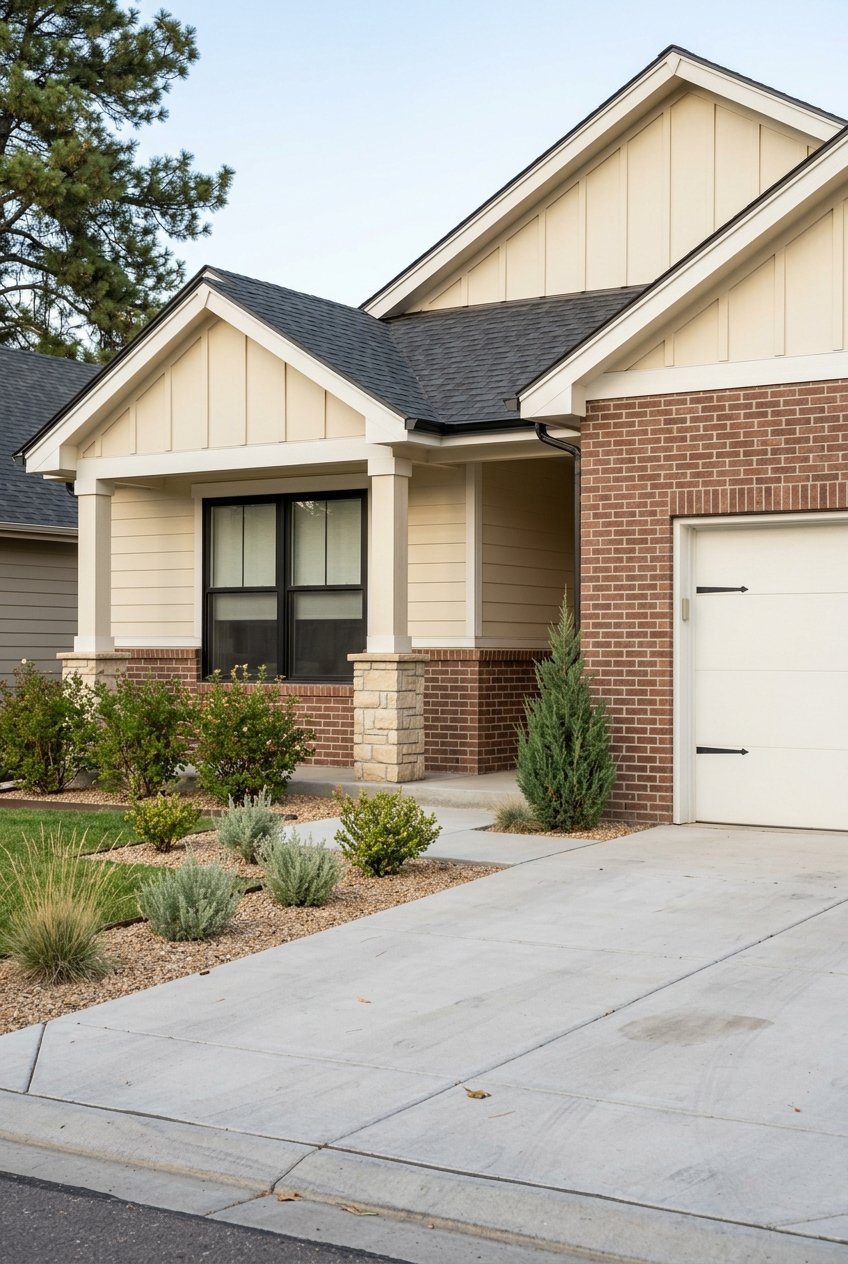
New Construction Homes in Windsor: What to Know First
Thinking about building a new home in Windsor? You are not alone. Windsor is growing quickly, and new construction can be an appealing way to get a home that fits your style, budget, and timeline. Still, building is not as simple as choosing a floor plan and waiting for move-in day. If you know what to ask before you sign, you can avoid surprises and make smarter decisions from day one. Let’s dive in.
Windsor is a fast-growing community, and that growth helps explain why so many buyers are looking at new construction. The U.S. Census Bureau estimates Windsor’s population at 43,840 in 2025, which is up 34.0% from the 2020 base.
That growth is also shaping local planning. Windsor adopted an updated Comprehensive Plan in spring 2024 to guide long-range decisions tied to housing, transportation, land use, infrastructure, and other community needs. For you as a buyer, that means it is worth paying attention not just to the home itself, but also to the broader area around it.
Windsor’s Planning division oversees items such as master plans, subdivision plats, zoning, building-permit administration, and site plan reviews. The town also provides a Community Development and Projects Map that can help you understand where projects are under construction or still under review. If you are comparing neighborhoods or builders, this can offer useful context about where growth is happening.
Buying new construction usually involves more steps than buying a resale home. You may be choosing a lot, reviewing builder documents, selecting structural options, picking finishes, and tracking construction milestones over time.
The timeline can vary a lot depending on the type of build. A custom-home design phase often lasts three to six months, and construction typically lasts at least 12 to 16 months. A spec home can move faster, especially if it is already well underway when you go under contract.
That longer timeline can be a benefit if you want personalization. If you get involved early enough, you may be able to choose finishes and some design elements. It can also be a challenge, because more time means more chances for delays, price changes, and moving pieces.
Even in a well-run project, timing can shift. Delays may come from design decisions, material availability, labor scheduling, permit timing, weather, or change orders during the build.
Windsor’s permit rules are also part of the picture. The town says new building plans are reviewed under the 2024 I-Codes, and permits expire if work does not begin within 180 days or if work stops for 180 days. The town also notes that the 2025 Colorado Wildfire Resiliency Code takes effect in Windsor on July 1, 2026, which could matter depending on your build timing and location.
One of the biggest mistakes buyers make is assuming the base price is the final price. In many new-home communities, it is only the starting point.
The base price may cover the standard home model and included features, but that does not always mean it includes everything you will need to live comfortably on day one. Appliances, landscaping, window treatments, fencing, and other move-in items may cost extra.
You may also see a lot premium, which is an added cost tied to a specific lot. Some lots cost more because of location, size, orientation, or views. On top of that, design-center upgrades can increase your total quickly if you choose higher-end finishes, cabinets, flooring, lighting, or structural changes.
Before you sign, ask the builder to break out these costs clearly:
When you review pricing this way, you get a more realistic picture of your total cash needed and your monthly housing cost.
Builders are still using incentives to compete with resale homes. These can include price cuts, mortgage-rate buydowns, or upgrade packages.
That sounds great, but it is important to look beyond the headline offer. A lower interest rate may help your monthly payment more than a small price cut, while an upgrade credit may not help much if it applies only to finishes you would not have chosen anyway.
The smartest comparison is usually the full package. Look at the contract price, the monthly payment, the value of any incentives, and the amount of money you will still need to spend after closing to make the home move-in ready.
New construction financing can look different from a standard resale purchase. If the home is not yet built, the builder may ask for an upfront deposit or earnest money.
That makes one question especially important: When is your deposit refundable, and when is it not? You should ask for that answer in writing before you sign. Refund terms can affect your risk if your plans change, the financing falls through, or the home is delayed.
For some builds, a construction loan may be part of the process. These loans are usually short-term and can cover land, labor, permits, and materials. Some then convert into a permanent mortgage once the home is complete.
No. You do not have to use the builder’s preferred lender.
That said, builders sometimes offer incentives if you do. It is worth comparing those incentives against the full loan terms, closing costs, and monthly payment from other lenders. The best choice is the one that fits your total financial picture, not just the one tied to the flashiest promotion.
Your mortgage payment is only part of the cost of owning a new construction home. In Windsor, buyers should also look closely at taxes, HOA obligations, utility setup, and special districts.
In Colorado, the county assessor values property as of January 1. The appraised value reflects the property’s condition on that date, including any partially completed construction. Tax rates are then set by the local taxing districts serving the property, and the total mill levy can include county, city, school, water or sanitation, and special district taxes.
That means your future tax bill may not match a simple online estimate. If a home is newly built, partially built on January 1, or located in an area with special districts, your actual tax picture can be more layered than expected.
HOA review matters in new communities. In Colorado, buyers usually are not entitled to the HOA’s governing documents until they are under contract, but you can often obtain the declaration from the county clerk and recorder before that.
The declaration can help you understand common elements, dues formulas, restrictions, maintenance responsibilities, and whether special assessments or litigation could affect costs. It is also wise to confirm whether the HOA is registered with the Colorado HOA Information and Resource Center.
Windsor provides potable water, wastewater, and storm sewer services in the Weld County limits of Windsor. Trash, cable, electric, and gas are handled by outside agencies.
The town’s fee schedule also includes road impact fees. Ask the builder which town fees, utility connection costs, and impact fees are already included in the contract and which ones you may need to pay separately.
Many buyers assume a brand-new home does not need an inspection. That is a risky assumption.
New homes often come with builder warranties covering materials, workmanship, and structural items. Colorado also recognizes an implied warranty that a new home was built in a workmanlike manner and is fit for habitation, unless limited by clear and unambiguous language.
Even so, you should read the written warranty and the purchase contract together. A warranty is not a blanket promise that every issue will be handled the way you expect.
A home inspection is still important for new construction. It can catch incomplete items, finish defects, installation issues, or other concerns that may need correction before closing or during the warranty period.
The fact that a home is new does not mean it is flawless. An independent inspection gives you another layer of information before you take ownership.
This is one of the most misunderstood parts of buying from a builder. The builder’s sales office may be helpful, but you should not assume it is acting as your advocate.
In Colorado, brokers must disclose the working relationship in writing. Consumers can choose single agency or transaction-broker status, and offers must be in writing using approved forms unless drafted by a party or attorney.
In practical terms, you should confirm in writing who represents whom before you get deep into the process. Having your own buyer’s broker can give you guidance on pricing, contract terms, deadlines, inspections, and the many small decisions that come up along the way.
If you are touring new construction in Windsor, bring these questions with you:
Buying new construction can be an exciting path, especially in a growing community like Windsor. The key is to balance the excitement of a brand-new home with careful review of timeline, pricing, representation, and long-term costs. When you ask the right questions early, you put yourself in a much stronger position to move forward with confidence.
If you are exploring new construction in Windsor and want calm, clear guidance through the process, Rachel Vesta can help you compare options, understand the fine print, and make a plan that fits your goals.
October 22, 2026
October 15, 2026
October 8, 2026
October 1, 2026
September 24, 2026
September 17, 2026
September 10, 2026
September 3, 2026
August 27, 2026
My goal is to consistently deliver an outstanding real estate experience to each client, every time.