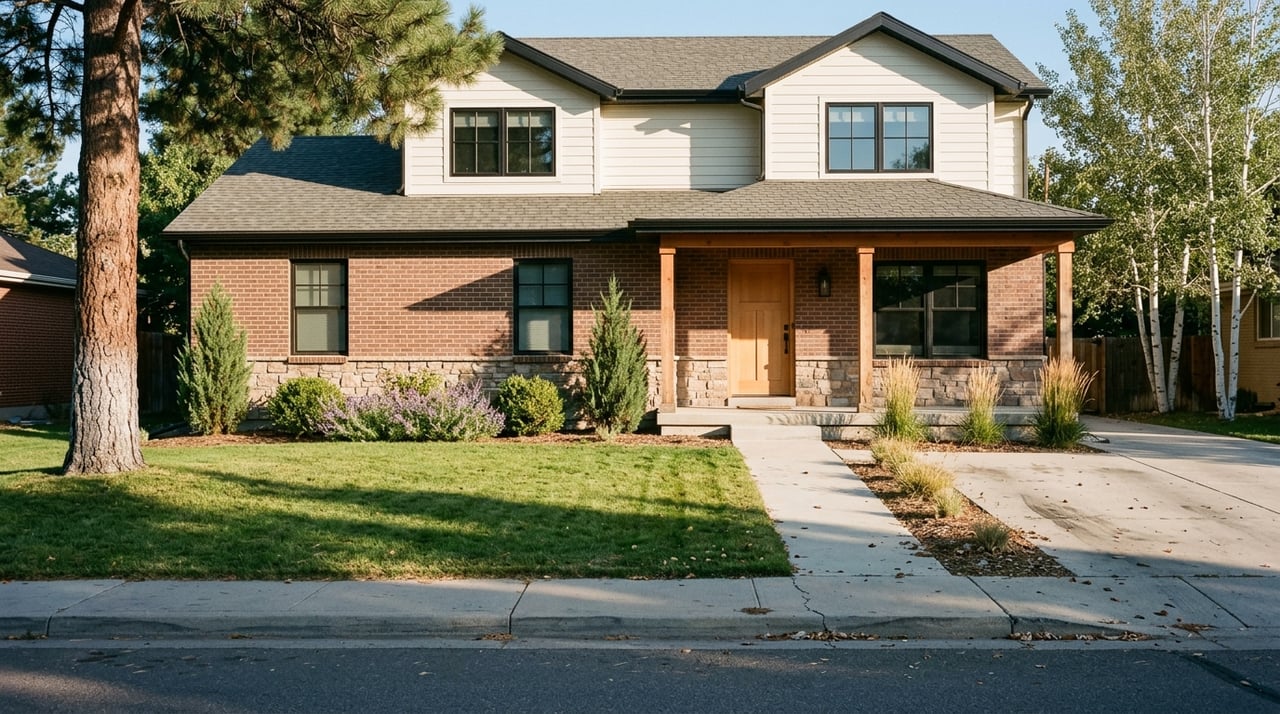
Old Town or Southeast Fort Collins? Compare the Tradeoffs
Trying to choose between Old Town and Southeast Fort Collins? You are not just picking a home. You are choosing the kind of daily life you want. If you are weighing charm, convenience, commute patterns, and the feel of the neighborhood around you, this comparison will help you sort through the tradeoffs with more confidence. Let’s dive in.
Old Town is Fort Collins’ historic core. The city designated the Old Town local historic district in 1979, and city planning for the surrounding Old Town neighborhoods focuses on neighborhood character, land use, transportation, housing, open space, and compatibility near Downtown and CSU.
Southeast Fort Collins is shaped more by corridor planning than historic preservation. City planning in this area includes the Harmony, I-25, and South College corridors, with the Harmony Corridor running from the I-25 interchange to west of College Avenue.
That difference matters because it helps explain why these two areas often feel so different in person. Old Town tends to reflect historic neighborhood patterns, while Southeast Fort Collins tends to reflect newer, planned growth.
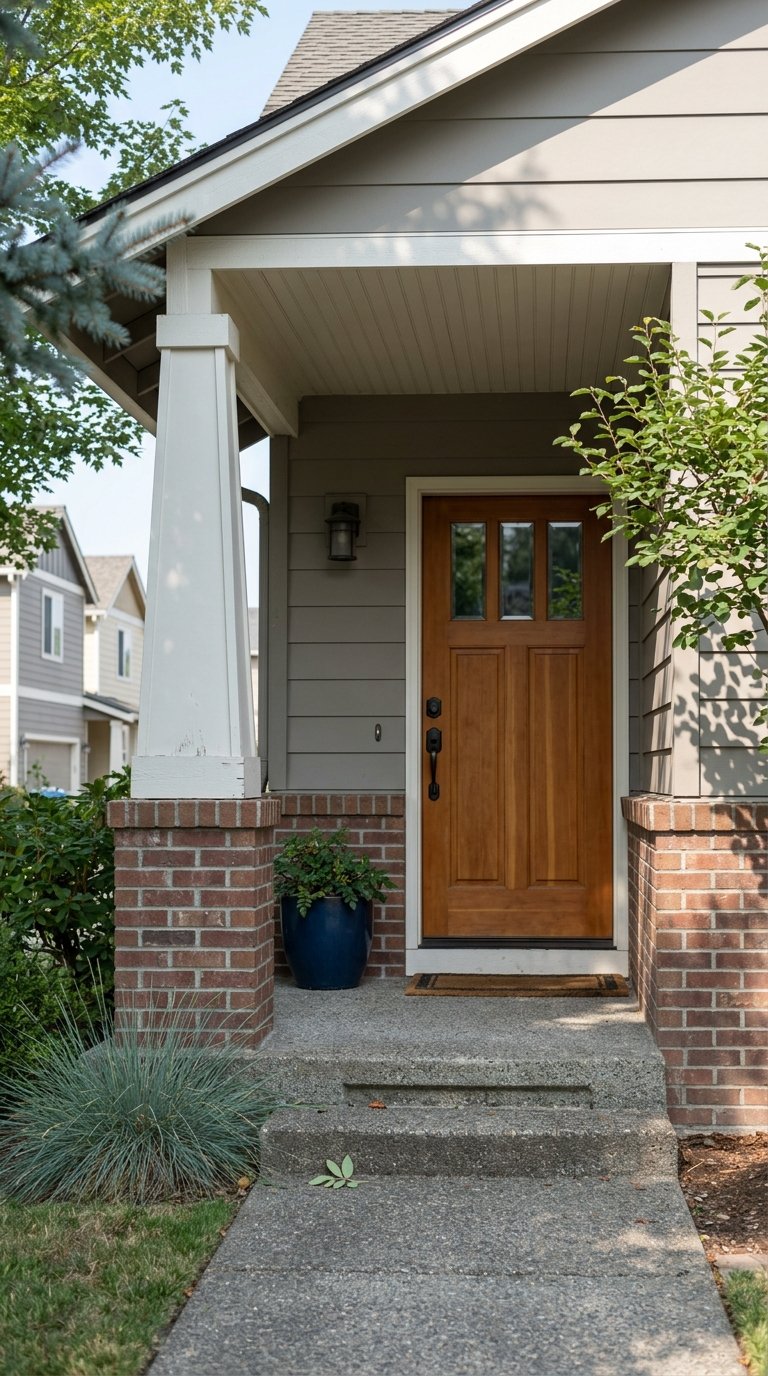
Old Town generally skews older in its housing stock. City preservation guidance is aimed at older neighborhoods, often with homes from before 1950, and the character areas are described as featuring substantial front porches and many one-story homes, with fewer one-and-a-half-story and two-story structures.
If you love architectural character, Old Town can be very appealing. You may find more original details, more recognizable streetscapes, and a stronger sense of historic identity from block to block.
The tradeoff is that older homes often come with more maintenance and more planning around updates. In Old Town, exterior changes are more likely to be reviewed through preservation standards, so additions, remodels, and infill projects usually need to meet a stronger compatibility standard.
Southeast Fort Collins is more likely to offer newer, planned housing patterns. In the Harmony Corridor planning area, the city describes residential areas as single-family oriented with significant multifamily development, along with neighborhood shopping centers, parks, and other services for growing residential areas.
This part of Fort Collins also shows a broader suburban lot-size range. The corridor plan describes single-family lots ranging from about 6,300 square feet to nearly an acre, which points to more variation than you typically see in the older central core.
For many buyers, that translates into more contemporary floor plans and a wider range of detached and attached housing options. You may also find more of the garage, storage, and layout features that are often associated with newer neighborhood design.
One of the biggest lifestyle differences between these two areas is how you move through daily life. If you want a more compact, walkable environment, Old Town usually stands out.
City active-modes materials describe Old Town Square as a compact, walkable district with small-scale buildings, activated alleys, and laneways. That supports a lifestyle where it may feel easier to enjoy downtown-adjacent destinations on foot.
Southeast Fort Collins has a different rhythm. The Harmony Corridor is described by the city as a major southern gateway and a primary route for commuters and travelers to and from the Denver metro area, which gives the area a more corridor-based and auto-oriented feel.
Neither option is automatically better. It depends on whether you value central-city access and walkability more, or regional driving access and planned growth patterns more.
If being near Downtown Fort Collins or CSU is high on your list, Old Town has the clearer edge. The Old Town Neighborhoods Plan specifically focuses on compatibility near Downtown and CSU, and the area sits right next to the city core.
That does not mean every trip will be simple or that every home will feel the same. It does mean the planning context supports the idea that Old Town offers a shorter path to downtown-oriented daily life.
For buyers who want easier access to the center of Fort Collins, Old Town often makes more sense. For buyers whose routines involve more southbound driving or regional travel, Southeast Fort Collins may feel more practical.
Southeast Fort Collins is often the better fit if your schedule depends on driving south or using I-25 regularly. The city’s planning documents describe Harmony Road as a primary route for commuters and travelers to and from the Denver metro area.
The I-25 subarea planning context also frames the eastern edge as a mixed-use corridor with easy access to I-25 and an interconnected transportation network. If your work, family, or travel patterns take you beyond Fort Collins often, this can be a meaningful advantage.
Old Town offers centrality inside Fort Collins. Southeast often offers easier regional reach. That is one of the clearest practical differences between the two.
Before you fall in love with an older home, it helps to think beyond the listing photos. In Old Town, preservation standards and design guidelines can shape what you are able to do on the exterior of a property.
That is not necessarily a downside. For some buyers, those standards help preserve the look and continuity that make the area special. Still, if you want major exterior changes or highly customized visible additions, you should expect more review and compatibility considerations.
In Southeast Fort Collins, buyers are less likely to run into the same historic-preservation framework. If you prefer a home that already reflects more contemporary planning and design patterns, Southeast may offer a simpler path.
Southeast Fort Collins also stands out for recreation access tied to natural areas south of Harmony Road and extending to I-25. The city’s Fossil Creek natural areas include places such as Cathy Fromme Prairie and Fossil Creek Reservoir Natural Area.
That can matter if open-space access is part of your day-to-day routine. While Old Town offers strong access to the city core, Southeast may appeal more if you want a setting shaped by corridor growth, parks, and nearby natural area connections.
This is another good example of lifestyle tradeoffs instead of a winner-and-loser comparison. You are really choosing between different kinds of convenience.
If you are drawn to historic character, a recognizable older streetscape, and strong access to downtown, Old Town may feel like the right fit. You should also be comfortable with the realities of older-home maintenance and the added care that can come with preservation review.
If you want newer-feeling neighborhood patterns, more housing-type variety, and easier access to Harmony and I-25, Southeast Fort Collins may line up better with your priorities. You may give up some of the historic charm of Old Town, but gain convenience that better matches your routine.
In the end, this is less about which area is better and more about which tradeoffs fit your life. If you want help narrowing down streets, home styles, or resale considerations in Fort Collins, Rachel Vesta can help you compare your options with a local, practical lens.
August 20, 2026
August 13, 2026
August 6, 2026
August 6, 2026
July 23, 2026
July 16, 2026
July 9, 2026
July 2, 2026
June 25, 2026
My goal is to consistently deliver an outstanding real estate experience to each client, every time.