Living in Wellington Colorado: Small-Town Life & Growth
If you want more space, a quieter pace, and easier access to both Fort Collins and the wider Front Range, Wellington probably shows up on your radar fast. It appeals to many buyers because it still feels like a small town, but it is clearly growing and adding more everyday amenities. If you are wondering what daily life actually feels like here, this guide will walk you through the lifestyle, housing, commute, and community rhythm that shape Wellington. Let’s dive in.
Wellington describes itself as a peaceful, family-oriented community at the intersection of I-25 and Colorado Highway 1. With 12,174 residents, a median age of 35, and a homeownership rate of 80.8%, the town has a settled, owner-occupied feel that many buyers notice right away.
That matters in day-to-day life. Instead of feeling overly transient, Wellington tends to feel rooted and consistent. You will likely notice neighborhoods where people have put down roots and where the town identity feels stronger than a pass-through commuter stop.
One of Wellington’s biggest draws is location. The town reports average drive times of about 10 minutes to Fort Collins, 20 minutes to Loveland, 30 minutes to Cheyenne, 40 minutes to Greeley, and 60 minutes to Denver.
That gives you flexibility if your routine stretches beyond town lines. You can enjoy a quieter home base while still reaching larger employment centers, shopping, or services fairly easily. Wellington’s average commute is listed at 25.7 minutes, which also reinforces that many residents balance small-town living with regional travel.
Because Wellington is anchored by I-25 and Highway 1, driving plays a big role in everyday routines. Some errands stay local, while others naturally pull you toward Fort Collins or highway-oriented commercial areas.
It is also worth knowing that growth is affecting transportation planning. Larimer County says CDOT is working with the town on Highway 1 improvements at CR 9 and CR 62E, with construction planned for spring 2027. That reflects both current growth and the expectation of more traffic over time.
Wellington’s semi-arid climate shapes how people use their homes and neighborhoods. The town reports about 13.6 inches of annual precipitation, four distinct seasons, and a 145-day growing season.
In practical terms, that often means dry weather, regular use of yards and parks, and a lifestyle that supports being outside through much of the warmer part of the year. If you enjoy walks, playground time, open space, or simply having room to be outside, Wellington’s climate and town layout support that well.
Wellington’s park system is a major part of its appeal. The Parks and Recreation Department maintains more than 80 acres of parks and open spaces, and town planning shows parks and trails are part of long-range growth planning.
That means recreation is not just an extra perk here. It is built into how the town is developing, which is important if you are thinking beyond today and considering what Wellington may feel like a few years from now.
Wellington Community Park is the town’s newest park and opened in spring 2016 on 30 acres. It includes a dog park, splash pad, tennis and pickleball areas, playgrounds, trails, softball fields, and open turf.
For many residents, this is the kind of place that supports everyday living, not just occasional outings. It gives you a central recreation spot that works for different ages, different interests, and different routines.
Harvest Park includes a playground and biking and hiking trail, while Park Meadows offers the east side of town a smaller neighborhood park with a trail and playground. These smaller spaces matter because they make it easier to stay active close to home.
Knolls Linear Park adds another layer with a disc golf course, hiking and biking trail, and ADA-accessible parking. The town also announced a MultiGolfPark there in June 2026, which shows Wellington is still investing in new recreation features as it grows.
Wellington has the kind of gathering spaces that help a town feel personal. Centennial Park, the town’s oldest park, sits near historic downtown and hosts Movies in the Park and the farmers market.
Library Park is next to the Wilson Leeper Community Center, which houses the town library, senior center, and community room. It is also where Wellington holds its Fourth of July celebration, car show, and annual tree-lighting ceremony.
These kinds of events create a stronger sense of rhythm throughout the year. If you are looking for a place where community life happens in visible, shared spaces, Wellington offers that.
Even as Wellington grows, downtown remains the social center. The Wellington Main Street Program describes downtown as the vibrant and historic heart of town, where people gather around local businesses, eateries, and events.
That can make a big difference in how a place feels. Instead of being defined only by subdivisions and highway access, Wellington still has a recognizable center that gives it character and continuity.
At the same time, Wellington’s commercial life is not limited to downtown. The town’s comprehensive plan identifies three main commercial areas: downtown, the west side of I-25, and a smaller area south of CR 60.
For you, that likely means daily errands may depend on where in town you live and what you need. Some stops may feel neighborhood-based and local, while others may be more tied to highway access and regional traffic patterns.
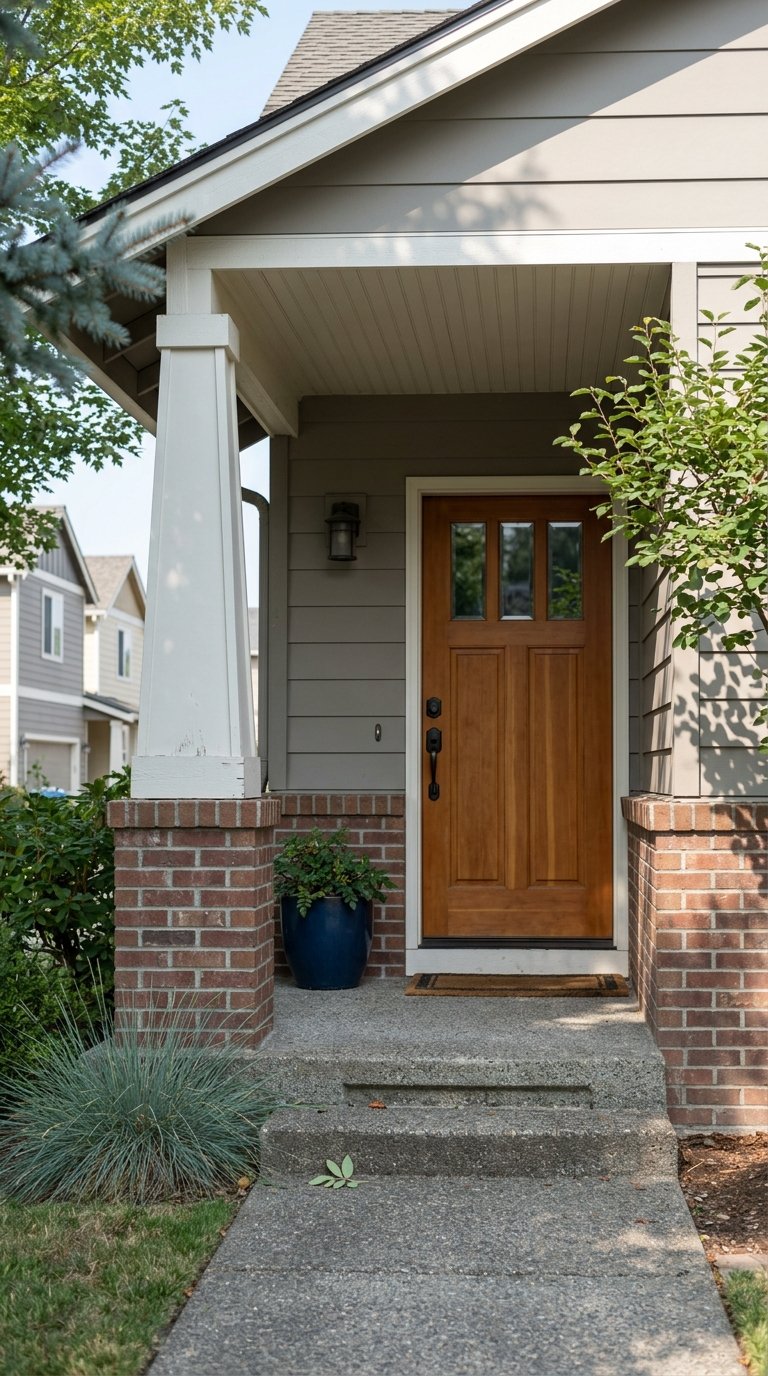
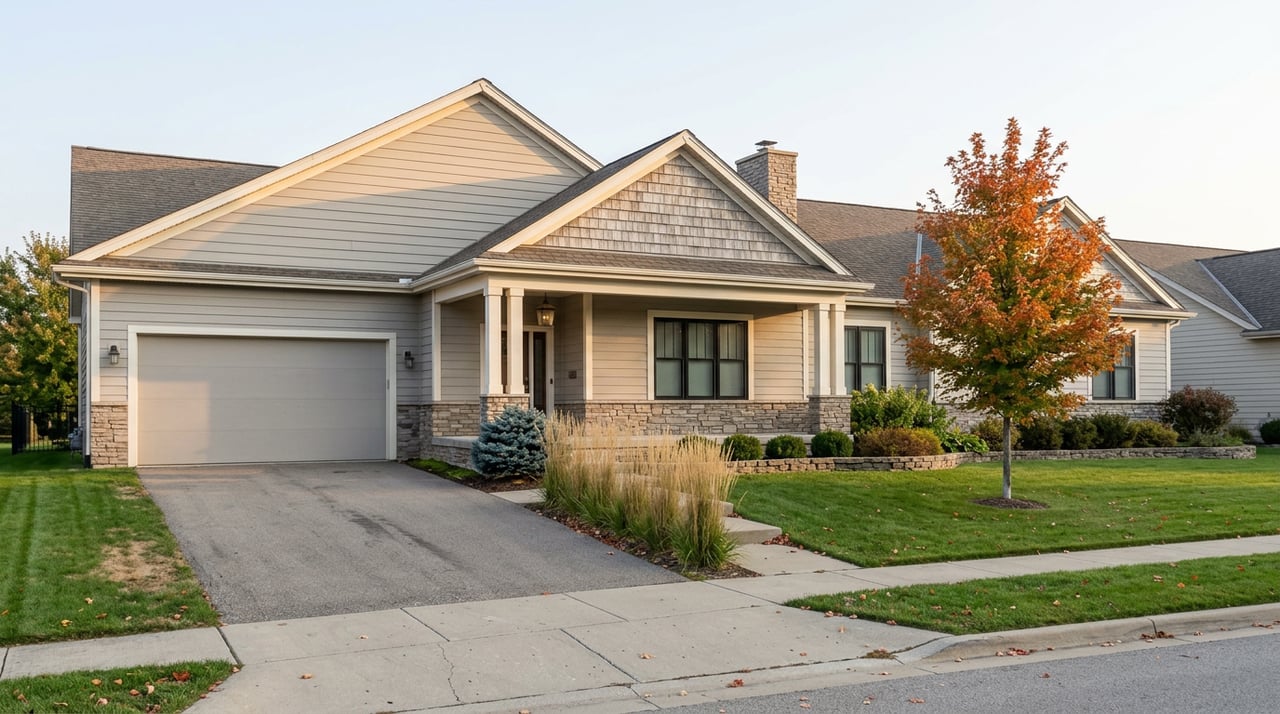
If you picture Wellington as a place with a lot of detached homes, that picture is mostly accurate. The town’s 2025 Housing Needs and Affordability Assessment says nearly nine in ten residential properties are detached single-family homes.
It also notes there are about 300 townhomes and 123 condos, while duplexes, triplexes, apartments, and manufactured homes are much less common. The median home was built in 2007, so much of the housing stock feels relatively modern compared with older Front Range communities.
Wellington is not staying frozen in one housing type. Its Land Use Code allows for low-density residential areas, medium-density areas with attached homes, and downtown neighborhoods that can include detached homes, backyard cottages, cottage courts, duplexes, fourplexes, and townhouses.
That is useful if you want options beyond a standard detached house. It also shows the town is trying to grow in a more intentional way instead of relying on one kind of housing forever.
One of the clearest realities of living in Wellington is that housing supply appears tight. The town’s housing assessment says rental options are limited, and only 1% of homes were unoccupied in 2022.
For buyers, that can mean fewer choices at any given moment. For sellers, that limited vacancy may support continued interest from people who want to live north of Fort Collins but are looking for a somewhat more affordable entry point.
Wellington is often discussed as a more affordable option than some nearby markets, and the data supports that in relative terms. The town’s 2025 housing assessment says Wellington remains more affordable than Weld County and Colorado overall.
But affordability is still a real challenge. The same report places the median home sale price at about $475,000 in September 2024 and estimates a household would need roughly $160,000 in income to buy the typical Wellington home under its assumptions.
If you are buying, Wellington may offer better value than some nearby areas, but it is still important to plan carefully around budget, inventory, and monthly payment comfort. If you are selling, that relative affordability is one reason buyers continue to watch Wellington closely.
This is also where local guidance matters. Understanding how Wellington fits into the larger Northern Colorado market can help you decide whether the town aligns with your goals, timing, and price range.
Wellington is clearly growing, and that is part of the story of living here. The town’s planning efforts, land-use updates, water-efficiency and wastewater planning, and roadway projects all point to a community preparing for long-term buildout.
At the same time, Wellington continues to present itself as a small, connected town. In real life, that means you are likely moving to a place that is changing, but also working to preserve the parts of community life that drew people there in the first place.
Living in Wellington often means balancing two things at once: space and access, growth and familiarity. You get a town with a strong park system, a recognizable downtown, regional commuting convenience, and housing that is still more attainable than some nearby markets.
You also need to go in with realistic expectations. Wellington is growing, driving is part of daily life for many residents, and housing can still be competitive despite its relative affordability.
If that mix sounds like what you are looking for, Wellington may be a very smart place to explore. And if you want help comparing Wellington with Fort Collins, Loveland, or other Northern Colorado communities, Rachel Vesta can help you make a clear, confident move.
October 15, 2026
October 8, 2026
October 1, 2026
September 24, 2026
September 17, 2026
September 10, 2026
September 3, 2026
August 27, 2026
August 20, 2026
My goal is to consistently deliver an outstanding real estate experience to each client, every time.