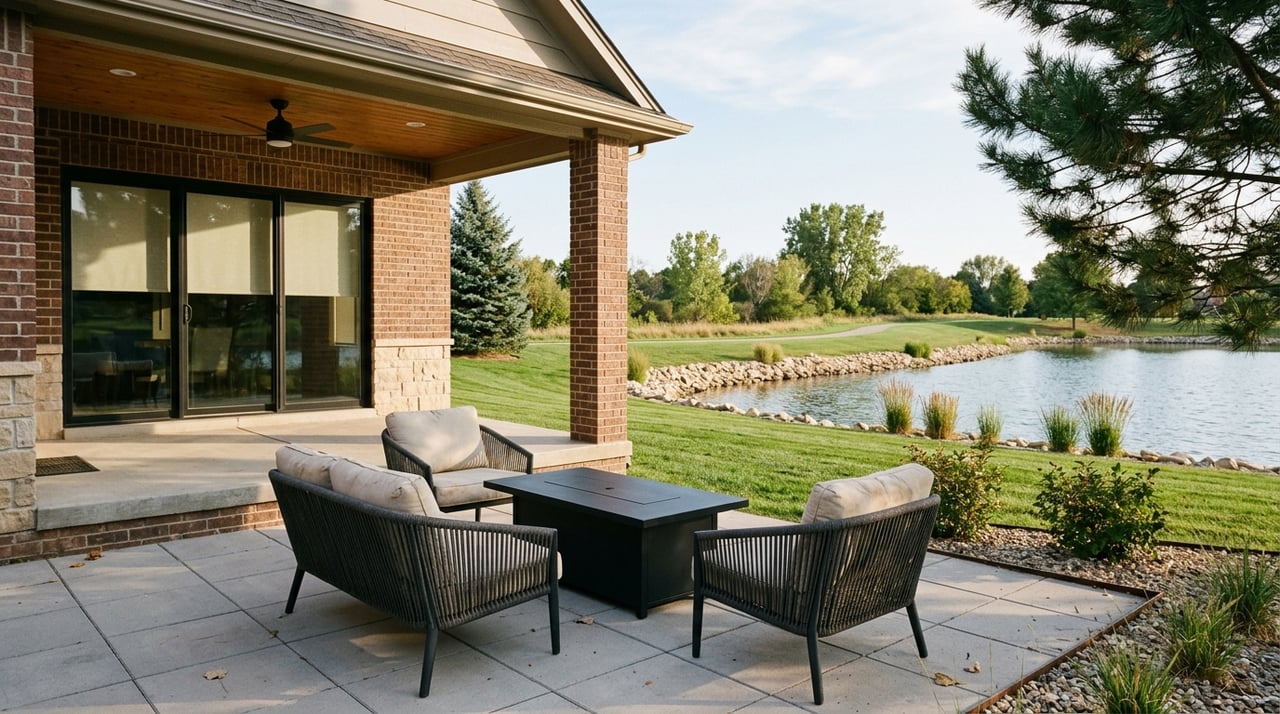
Timnath Lakes Waterfront Living: Lakes, Trails & Neighborhoods
If you picture waterfront living as a private dock on a natural lake, Timnath may surprise you. Here, the appeal is more nuanced and, for many buyers, more practical: water views, trail access, open space, and thoughtfully planned neighborhoods all play a big role in daily life. If you are exploring a move to Timnath, understanding how its reservoir system, parks, and new development patterns work can help you make a smarter decision. Let’s dive in.
In Timnath, waterfront living usually centers on Timnath Reservoir and nearby open space, not on unrestricted shoreline access. According to the Town of Timnath’s reservoir information, Timnath Reservoir is owned by the New Cache La Poudre Reservoir Company and leased by the Town for recreation.
That distinction matters because access is permit-based, not fully public in the way some buyers may expect. The Town states that the reservoir is available to properly permitted residents, future Timnath residents, Colorado anglers, and their guests.
The reservoir itself is substantial, at about 580 to 600 acres with a roughly 6-mile perimeter. Permitted users may boat, fish, kayak, swim, and enjoy hike-and-bike trails and picnic areas, which makes it a meaningful lifestyle feature for many households.
There are also a few practical realities to keep in mind. The Town notes that Timnath Reservoir is a man-made irrigation water body, so water levels can fluctuate seasonally, and blue-green algae advisories can occur, especially in late summer and early fall. That is not necessarily a deal breaker, but it is important context if waterfront access is a top priority for you.
One of the biggest reasons Timnath feels so livable is that the outdoor lifestyle extends beyond the reservoir. The Town says it develops and maintains a comprehensive network of open spaces and trails, and its spring 2026 parks guide reports more than 1,200 acres of parkland, 9.9 miles of trail surface, 197 acres of parks land and open space, and more than 650 trees.
For you as a buyer, that often means daily recreation is built into the neighborhood experience. Instead of needing to plan a weekend outing, you may have trails, courts, dog parks, or green space woven into your routine.
Timnath Community Park is a good example. It includes a splash pad, courts, a dog park, a pavilion, and access to the Poudre Trail, which gives residents a flexible mix of active and casual outdoor options.
Weitzel Park adds another layer to that lifestyle because it sits beside the Poudre River and a large irrigation pond, with trailhead access to the Poudre River Trail. WildWing Park also contributes with courts, a community garden, and a dog park, reinforcing the idea that outdoor living in Timnath happens on multiple scales.
Regional trail access is becoming an even bigger part of the Timnath story. Larimer County’s Poudre River Trail page states that the final segment between south Timnath and north Windsor was under construction in early 2026 and is expected to open in late spring 2026.
Once complete, the trail is expected to create a continuous 45-mile corridor from Bellevue to Greeley. For buyers who value running, biking, walking, or simply easier access to regional recreation, that is a meaningful amenity.
The Town’s Riverbend Urban Village materials also highlight riverfront trails, a planned tunnel under I-25, and eventual contiguous trail connections through Fort Collins, Timnath, Windsor, and Greeley. In practical terms, this supports a lifestyle where getting outside can feel easy and connected rather than isolated to one neighborhood park.
If Timnath neighborhoods seem especially organized, that is not an accident. The Town’s Land Use Code requires residential developments to include pocket parks and internal trail systems, and it expects trail connections between neighborhoods, parks, open spaces, schools, and neighboring communities.
That policy shapes how many newer communities feel on the ground. You are often seeing a layout designed around movement, shared amenities, buffers, and open areas, not just rows of homes.
This is one reason the local version of waterfront living can feel different from older lake communities in other markets. In Timnath, the atmosphere often comes from a combination of planned lakes, trail corridors, pocket parks, and landscaped open space rather than private, unrestricted shoreline.
Several current or proposed projects help illustrate how Timnath is growing around water and recreation.
According to Groundworks Development, Timnath Lakes is a 490-acre residential community planned around a series of lakes. The project includes roughly 1,400 residences, a commercial component, 130 acres of open space, and 40 acres of recreational lakes.
Town review materials also show Timnath Landing North Filing 10 as a 316-lot phase on 79 acres with about 16 acres of open space and important trail connections. For buyers, that suggests a community structure where recreation and circulation are part of the original design, not an afterthought.
The Town’s Timnath Shores sketch-plan notice describes a 76-acre residential project adjacent to Timnath Reservoir. Plans include more than 15 acres of open space, a roughly 2-acre pocket park, greenbelts, off-street pedestrian and bike paths, and a 50-foot natural habitat buffer along the reservoir’s west shore.
That combination is a good example of how Timnath balances access, design, and environmental buffering. If you are drawn to reservoir-adjacent living, details like buffers and pathway placement are worth understanding early in your search.
The Ladera project website describes a mixed-use development near I-25 and Harmony that plans to convert a former gravel pit into a lake after reclamation. At full build-out, the project plans more than 90 acres of natural areas, lakes, and trails.
That reinforces an important theme in Timnath: some of the area’s waterfront feel comes from created or reclaimed water features integrated into broader neighborhood planning. If you like the idea of water views and outdoor access, this can still be very appealing, but it is different from buying on a traditional natural lake.
Before you buy in a Timnath waterfront or water-adjacent community, it helps to look beyond photos and amenity lists. The monthly cost and ownership experience may involve more moving parts than you expect.
Many Timnath neighborhoods rely on HOAs to maintain pocket parks, common areas, and certain neighborhood amenities. The Colorado HOA Information & Resource Center exists to help consumers understand rights and responsibilities under the Colorado Common Interest Ownership Act.
For you, that means it is wise to review:
These documents can affect both your monthly costs and how you use your property.
The Town of Timnath also notes that metro districts are special districts used to finance public improvements and ongoing operations and maintenance. The Town’s metro-district FAQ identifies multiple local districts, including Timnath Lakes, Timnath Ranch, South Timnath, Southwest Timnath, Trailside, and WildWing.
In real-world terms, your housing cost may include more than a mortgage payment and county taxes. Depending on the property, you may also be paying HOA dues and metro-district assessments or tax levies.
If reservoir access is important to you, confirm permit eligibility before you make assumptions. The Town states that reservoir permit categories differ for residents, GMA residents, and Colorado anglers, and all users need a Shore Permit.
The Town also notes that permits are non-transferable, nonrefundable, and issued on a first-come, first-served basis where supply is limited. If your home search is centered on using the reservoir regularly, this is one of the first items worth verifying.
Timnath can be a strong fit if you want a newer, outdoor-oriented community where lakes, trails, parks, and open space shape everyday life. It can also be a good option if you appreciate the feel of a master-planned area with connected amenities and ongoing investment in recreation infrastructure.
It may require a little more homework if your goal is direct, unrestricted water access. In many cases, the local lifestyle is less about owning a private slice of shoreline and more about living in a neighborhood where water, green space, and trail connections are part of the overall design.
That is why local guidance matters. If you want help comparing Timnath neighborhoods, reviewing HOA or metro-district considerations, or understanding how reservoir access may affect your search, Rachel Vesta can help you make sense of the details and move forward with confidence.
September 17, 2026
September 10, 2026
September 3, 2026
August 27, 2026
August 20, 2026

August 13, 2026
August 6, 2026
August 6, 2026

July 23, 2026
My goal is to consistently deliver an outstanding real estate experience to each client, every time.